
The surge in interest around modern polymer-based firearm components is no accident. Builders and hobbyists alike value the balance of strength, weight savings, and ergonomic flexibility that polymer frames and compatible parts bring to the table. Within this space, Polymer80-style platforms have become a go-to reference point for modularity and personalization, spanning options for AR-style builds and Glock-compatible projects. Whether the goal is a refreshed grip profile, enhanced texture, or a tuned slide-to-frame setup, the ecosystem around these components gives enthusiasts abundant room to explore—always with a sharp focus on safety, quality, and the laws that govern firearm parts in their area.
Understanding the landscape means more than scanning product lists. It involves recognizing how polymer frame kits, receiver blanks, compatible slides, and small parts can work together to fit an intended use case, from training and range sessions to sport and competition. Paired with diligent research into local requirements and committed adherence to safe handling protocols, polymer-platform customization can be both rewarding and responsible. The following sections dive into what makes these components popular, how to navigate the regulatory patchwork, and what to look for when selecting parts and support services that stand behind the products.
Why Polymer80-Style Platforms Inspire Enthusiasts: Materials, Modularity, and Practical Performance
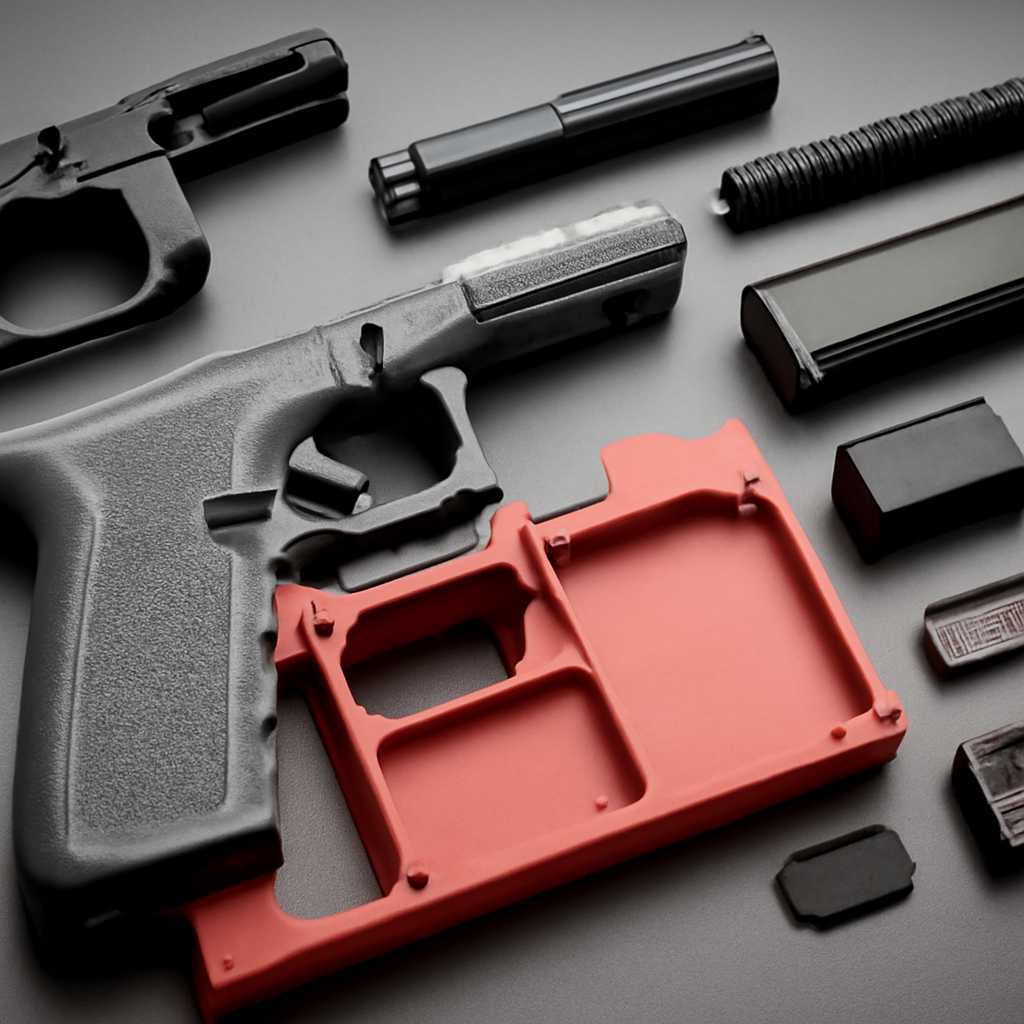
Polymer construction reshaped the landscape of modern handguns and rifle components for good reason. Properly engineered polymers deliver resilience, lighter carry weight, and a level of design freedom that metal often cannot match. That flexibility shows up in tangible benefits: refined ergonomics, textured surfaces for grip security, and contours tailored to a range of hand sizes. In the context of Polymer80-style products, builders often seek custom frames that support optimized control, comfort, and consistent recoil management. For pistol platforms, this can mean a straighter grip angle to promote a natural point-of-aim or a backstrap profile that eases fatigue during extended range sessions.
On the modular side, the broad aftermarket is a hallmark advantage. Compatibility with Glock-pattern slides and internals, for example, allows enthusiasts to evaluate different barrel lengths, optic cuts, and sight configurations without departing from a familiar operating system. Similarly, AR receiver blanks and accessory options enable a degree of platform tailoring that addresses everything from top rail arrangements to magazine interface preferences. The modularity extends beyond looks: it empowers careful selection of components that influence recoil impulse, trigger feel, and maintenance needs, supported by a marketplace of springs, pins, and small parts that keep a build serviceable and consistent over time.
Practical performance is ultimately the point. With the right combination of parts, a well-selected polymer-style frame can feel anchored in the hand, enabling repeatable presentation and faster follow-up shots. Many shooters appreciate the way contouring and texturing reduce the tendency to over-grip or milk the frame under stress. Additionally, the improved contact surfaces can help manage moisture and environmental conditions, whether that’s sweat in the summer or rain at an outdoor range. The net effect is confidence—confidence that the platform will respond predictably, and that changes to the setup can be thoughtfully reversed or iterated as preferences evolve. Throughout this process, consistent adherence to safe handling and proper range etiquette remains essential.
Compliance, Responsibility, and Safe Ownership: Navigating Laws and Best Practices
The appeal of customization sits alongside a paramount responsibility: compliance with all applicable laws. Firearm parts, frames, and receiver blanks are regulated in different ways across jurisdictions. Some states and municipalities have specific rules governing the sale, transfer, serialization, or use of components, including those commonly described as “80%” frames or receivers. Federal guidelines provide baseline definitions, but local requirements can be more restrictive. That makes it vital to research the precise legal landscape where one lives and where any items might be received or used. It is always prudent to verify current federal, state, and local laws before considering any purchase or project.
Responsible ownership practices go hand in hand with legal awareness. Safe handling starts with treating every firearm as if it is loaded, maintaining proper muzzle discipline, and keeping fingers off triggers until sights are on target and the decision to fire is made. Secure storage is equally essential, whether that involves a quick-access safe for defensive contexts or a locked cabinet for general home security. Separating ammunition from stored firearms and using cable or chamber locks adds layers of safety—particularly around children or unauthorized individuals. Training matters, too. Investing in professional instruction or recognized safety courses helps reinforce safe habits, refine marksmanship, and ensure familiarity with the mechanical characteristics of any selected platform and parts.
Another best practice is documentation: maintain records of purchases, parts specifications, and any applicable compliance steps taken to meet local requirements. While many components may be straightforward from a federal perspective, state or municipal laws can introduce obligations that should not be overlooked. Pay attention as well to shipping restrictions that certain carriers or sellers apply; these may reflect local statutes and are intended to keep transactions within lawful bounds. Finally, think long term. Quality components should be paired with responsible maintenance—routine inspections for wear, replacement of springs or small parts as needed, and adherence to recommended torque or thread treatments where appropriate. When in doubt, consult a qualified professional for service or inspection to ensure ongoing safety and compliance.
Selecting Quality Parts and Support: What to Look For in Frames, Receivers, Slides, and Service
Choosing the right parts begins with clarity about the intended role of the build. A range-focused pistol might prioritize recoil control and sighting options, while a training setup could emphasize durability and easy parts availability. For polymer-style frames, examine material quality, texture patterns, and the geometry that influences grip angle and reach to the trigger. A Glock-compatible build, for instance, benefits from abundant aftermarket support for barrels, slides, and consumables. Look closely at slide and barrel finish options for corrosion resistance, evaluate sight cuts or optic-ready configurations, and ensure parts compatibility is explicitly supported by the manufacturer or retailer.
For AR-style platforms, attention to receiver blank tolerances and accessory mounting interfaces pays dividends. Consider the ecosystem around the receiver—handguards, buffer systems, and trigger groups—and seek components known for consistent fitment and reliable function. Read product detail pages carefully, noting guidance on compatible generations or model numbers. Reputable sellers emphasize specifications, support clear return policies, and encourage buyers to confirm legal requirements. Look for transparent customer service channels for pre-sale questions about compatibility and post-sale support regarding fitment or exchanges. Trust signals include secure checkout, informative product categorization, and straightforward warranty or returns processes.
Real-world examples help illustrate good decision-making. A hobbyist aiming to improve ergonomics might select a polymer frame with more aggressive texturing for grip retention during warm-weather range days, then pair it with a slide cut that accommodates preferred iron sights. Another enthusiast preparing for structured training may focus on parts commonality—choosing a configuration with plentiful replacement springs and small parts for predictable maintenance. When in need of a centralized source for frames, receiver blanks, slides, and accessories aligned with careful compliance messaging and customer support, a single hub like polymer80 inc can simplify the process. Still, it remains the buyer’s responsibility to confirm that any product is legal to purchase and possess in their specific location.
Ultimately, the best builds result from pairing high-quality components with informed, responsible ownership. That means prioritizing fit, function, and safety over novelty; verifying compatibility details before ordering; and maintaining parts in accordance with accepted standards. It also includes staying current with evolving regulations, as state or local frameworks can change. Enthusiasts who treat compliance and safe handling as nonnegotiable pillars tend to get the most from their polymer-platform projects—enjoying the benefits of lightweight construction, adaptable ergonomics, and a deep aftermarket, all supported by clear documentation, dependable service, and the discipline that keeps every range session and training day safe.

Thessaloniki neuroscientist now coding VR curricula in Vancouver. Eleni blogs on synaptic plasticity, Canadian mountain etiquette, and productivity with Greek stoic philosophy. She grows hydroponic olives under LED grow lights.
