
In a city where every square foot matters, your sofa is more than just seating—it’s the heart of your home, a place where work, rest, and social life overlap. Yet Manhattan living also brings dust from busy streets, allergens from seasonal blooms, pet dander from elevator trips, and inevitable spills from takeout nights. Routine vacuuming helps, but professional sofa cleaning goes deeper to remove embedded grime, revive fabric color, and improve indoor air quality. If you’re seeking reliable, eco-conscious care, a local team skilled in upholstery cleaning can safeguard your investment without harsh chemicals or long dry times.
Whether you live in a prewar walk-up on the Upper West Side, a sunlit SoHo loft, or a compact East Village studio, tailored cleaning methods make a visible, breathable difference. The right approach respects your fabric type, building guidelines, and the pace of Manhattan life—fast, efficient, and meticulous. Here’s how to get sofa care that looks great and supports a healthier home.
Why Professional Sofa Cleaning Matters in Manhattan
Urban air carries fine particulate matter that settles into upholstery fibers day after day. Combine that with indoor sources—skin oils, cooking vapors, pet dander, and seasonal pollen tracked in on clothing—and it’s clear why sofas become hotspots for allergens and odors. Professional sofa cleaning targets what household vacuums can’t reach, extracting soil deep within the weave and neutralizing odors at the source. This isn’t just cosmetic. Cleaner upholstery supports better indoor air quality, which is crucial for those managing asthma or sensitivities common in dense city settings.
Fabric-savvy cleaning also protects your furniture’s lifespan. Cotton, linen, and velvet require different solutions and moisture levels than microfiber or leather. A trained technician will test dye stability, identify the fiber blend, and match the cleaning method—whether low-moisture encapsulation for quick dry times, hot-water extraction for deep sanitization, or solvent cleaning for delicate materials. The goal is to lift soils while preserving texture, pile, and color, avoiding overwetting or residue that can attract new dirt.
New York’s fast-paced routines make timing important. With efficient scheduling and smart drying strategies, many sofas are ready for use the same day, reducing household disruption. Apartments with limited ventilation, high humidity, or little direct sunlight benefit from air movers and careful moisture control to speed drying without risking musty odors. Regular service—every 6 to 12 months for most homes, more frequently for pets or high-traffic seating—keeps fabrics looking their best and helps you avoid costly replacements.
Eco-forward service is another must for city households. Green-certified detergents and hypoallergenic treatments remove soils and bacteria without harsh fumes, making them safer for children, pets, and anyone sensitive to chemical fragrances. By emphasizing eco-friendly upholstery cleaning practices, you get a refreshed sofa and a cleaner conscience, all while protecting indoor air quality in compact Manhattan spaces where off-gassing can linger.
Inside a Pro Cleaning: Methods, Materials, and Manhattan-Specific Considerations
The best results start with a thorough evaluation. Technicians inspect for fabric type, stitching integrity, cushion density, and past cleaning residues. They’ll ask about stains—coffee, wine, ink, cosmetics, pet accidents—and test for colorfastness to prevent dye migration. After a detailed pre-vacuuming with a HEPA system to lift dry soils, targeted pre-treatments break down oils, proteins, and tannins. This careful prep stage often determines how effectively stains release without aggressive scrubbing.
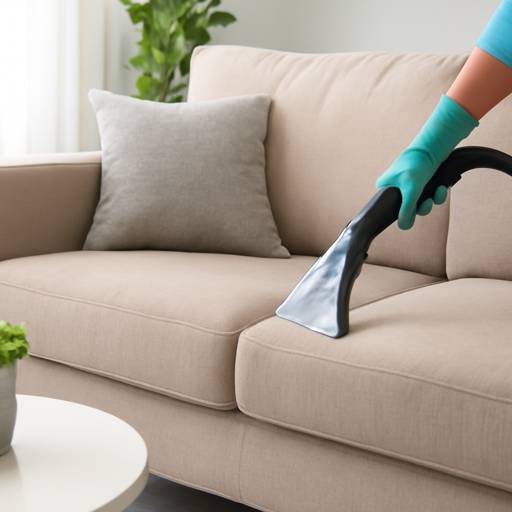
For most synthetic and many natural fabrics, hot-water extraction (often called “steam cleaning”) provides deep rinsing and sanitation. It injects a controlled solution into the fibers and extracts soils immediately, carrying away allergens and buildup. Delicate or water-sensitive textiles may benefit from low-moisture or solvent-based techniques that minimize saturation while still dissolving stubborn grime. Microfiber responds well to gentle agitation and precise rinsing, while velvet demands directional grooming to keep the pile even and plush. Leather needs a different playbook entirely: pH-balanced cleaning, reconditioning creams, and protection to keep hides supple and crack-resistant.
Odor management is where science meets craftsmanship. Enzyme-based or oxidizing treatments neutralize organic odors rather than masking them, invaluable for pet families or apartments near busy restaurants where cooking odors can cling. Post-clean protectants can be applied to resist future spills and slow re-soiling, particularly useful for pale or textured fabrics that show marks easily. Throughout, the emphasis stays on safe, residue-free formulas so your sofa feels soft—not sticky—after service.
Manhattan logistics matter. A reputable team accommodates co-op and condo requirements, providing a certificate of insurance (COI) on request, coordinating elevator use, and booking within doorman windows. Walk-ups demand compact, portable equipment that delivers pro-grade results without scuffing stairwells. Noise sensitivity, evening appointments, and swift turnaround are designed around city life. When you’re ready to schedule trusted sofa cleaning Manhattan, look for eco-conscious methods, responsive communication, and a satisfaction-first approach that respects both your home and your building’s rules.
Real Manhattan Scenarios, Results You Can See, and Smart Care Between Visits
Consider a white sectional in a SoHo loft that doubles as a WFH hub. Daily wear, laptop time, and city dust dulled the fabric within months. After a fiber-safe pre-treatment and hot-water extraction, the sofa regained its crisp brightness, and a protector made future spot cleanups faster. The owners now book seasonal refreshes aligned with allergy peaks. On the Upper West Side, a busy family with two dogs battled pet hair and occasional accidents. Enzymatic deodorizers, thorough extraction, and careful drying eliminated odors and lifted tracked-in grime, restoring a welcoming feel to their living room.
A Midtown office lounge faced coffee spills and high traffic from client meetings. Low-moisture cleaning kept downtime minimal while still erasing rings and sticky residues from frequent snacking. In the East Village, a compact studio with lingering smoke odors benefited from targeted odor neutralizers and ventilation-assisted drying. The difference was immediate: cleaner scent, brighter cushions, and a lighter, fresher atmosphere, proving that tailored methods outperform one-size-fits-all solutions—especially in tightly sealed apartments.
Between professional visits, simple habits extend your sofa’s life and looks. Vacuum weekly with an upholstery tool to remove grit that frays fibers. Rotate and flip cushions to distribute wear, and use washable throws on high-contact zones. When spills happen, blot—don’t rub—working from the outside in. Use a clean, white cloth, and test any spot treatment on an inconspicuous area first. Avoid oversaturating fabric, which can push stains deeper and encourage wicking as it dries. If a mark persists, it’s time for a pro; repeated DIY attempts can set stains permanently.
For long-term protection in Manhattan’s compact spaces, consider green-certified protectors that create a breathable barrier against oils and liquids. Keep sofas out of direct sun to reduce fading, and manage humidity to discourage musty odors. If allergies are a concern, request hypoallergenic solutions and ask about post-clean HEPA air scrubbing for severe cases. A trusted local team prioritizes eco-friendly upholstery cleaning, courteous service, and transparent pricing—bringing together cleanliness, convenience, and city-savvy logistics so your sofa looks, smells, and feels its best every day.
