From lake-effect humidity in summer to furnace-heavy winters, Madison, Wisconsin homes and businesses ask a lot from their HVAC systems. Over time, dust, pet dander, construction debris, and even microbial growth can collect in supply and return lines, registers, and the air handler. The result is air that feels stale, rooms that never quite reach the right temperature, and an HVAC system that works harder than it should. A professional air duct cleaning can be a smart, preventative step for protecting your equipment, stabilizing comfort, and strengthening indoor air quality across every season. Below, discover how a thorough service works, why timing matters in our local climate, and what real Madison property owners experience when they invest in clean ductwork.
Why Professional Air Duct Cleaning Matters for Indoor Air Quality and Energy Efficiency
Clean ducts are an essential foundation for healthy air and reliable heating and cooling. When particulates accumulate inside ductwork, every HVAC cycle can recirculate fine dust, pollen, and fibers throughout your living or work spaces. For people with allergies or sensitivities, this can mean more symptoms during peak seasons. Even if no one in your household has allergies, excess debris can contribute to musty odors and that telltale layer of dust reappearing on furniture shortly after cleaning. A well-executed air duct cleaning removes built-up contaminants, providing a cleaner pathway for air to travel and supporting consistently fresher air throughout your home or business.
There is also a direct equipment performance benefit. Restricted ducts and clogged return pathways force your blower motor to move air against higher resistance. Over time, this can increase wear, elevate energy consumption, and make temperature control uneven, especially in rooms far from the air handler. By restoring open airflow, a comprehensive cleaning can help reduce system strain, which may translate into steadier temperatures and more efficient operation. In climates like Madison’s—where heating runs for months and cooling is essential during humid stretches—improving airflow can help your system keep up without constantly cycling or running longer than necessary.
Importantly, professional cleaning is not just about vacuuming what is visible. A modern Air Duct Cleaning Service addresses supply lines, returns, trunk lines, and the air handler cabinet, targeting the places where dust and debris tend to lodge. When appropriate, technicians can also address microbial concerns using EPA-registered solutions and moisture control recommendations. The emphasis is always on source removal—physically extracting contaminants from ducts—rather than masking odors with fragrances. The result is a home or workplace that not only smells and feels cleaner but also supports better long-term HVAC performance.
What to Expect During a Thorough Air Duct Cleaning: Tools, Process, and Safety
An effective service begins with inspection. Technicians will identify supply and return runs, evaluate the air handler, and note any problem areas such as heavy lint buildup, construction residue after remodeling, or signs of moisture intrusion. Many teams use video or photo documentation to show accumulation inside key sections before any work begins. This helps set expectations and ensures the project’s scope is clear. In older Madison properties—think charming homes near the lakes or downtown commercial spaces with unique retrofits—this step is vital because duct layouts can be complex.
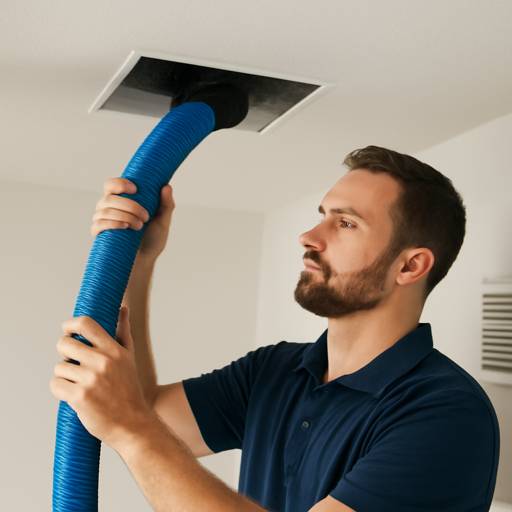
The cleaning itself relies on creating strong, controlled negative pressure within the duct system. A high-powered vacuum with HEPA filtration is connected to the trunk line to capture dislodged debris safely. While suction runs, technicians agitate contaminants from interior surfaces using rotating brushes, air whips, or compressed-air tools designed for ductwork. Registers and grilles are removed, washed, and replaced once individual runs are addressed. The goal is simple but meticulous: source removal that prevents loosened debris from entering occupied spaces. The air handler cabinet is typically opened and cleaned as well, focusing on areas where dust accumulates around the blower and near the evaporator coil housing. Attention to these components supports both indoor air quality and system efficiency.
Safety and cleanliness protocols are baked into every step. HEPA-grade filtration prevents fine particulates from reentering the home. Floor and work surfaces are protected, and technicians seal off sections of duct as they progress to maintain vacuum integrity. If microbial growth is present, a reputable provider will discuss cause and remedy first—addressing moisture sources or leaks—before recommending any EPA-registered sanitizer. It’s a measured approach that prioritizes long-term results over quick coverups. For a certified, local Air Duct Cleaning Service, schedule an on-site assessment to align the process with your system’s layout and your property’s needs.
Local Insights: Madison Homes, Wisconsin Winters, and Real-World Results
Madison’s four-season climate creates distinct challenges and opportunities for duct hygiene. In spring, tree and grass pollens are abundant, and they can enter homes through open windows or be tracked inside, eventually settling in return ducts. Summer humidity encourages condensation on cool surfaces, especially around poorly insulated metal ducts in basements, which can make dust cling more readily. Autumn brings leaf debris and extended furnace tests, and winter demands sustained furnace operation when homes are sealed tightly against the cold. Each season influences how much particulate your system moves and where it tends to collect, reinforcing the value of periodic air duct cleaning tuned to local conditions.
Consider a family home on Madison’s Near East Side that recently renovated a basement office. Post-renovation, the upstairs bedrooms felt stuffy, and dust appeared quickly on nightstands. After a full duct cleaning—including trunk lines, returns near the basement workspace, and the air handler cabinet—the family reported noticeably less dust and steadier airflow to the second floor. An airflow measurement taken at a bedroom register showed a significant increase after debris was removed from a long horizontal run that had collected drywall residue and sawdust during construction. While every home is different, addressing these hidden choke points can markedly improve comfort.
In a small Capitol Square office suite, staff noticed that paper files accumulated dust within days, and a vent near a conference room emitted a faint musty odor. Inspection identified buildup in return drops close to a high-traffic corridor and lint accumulation near the air handler. Following source removal with negative-pressure equipment and thorough cleaning of registers and returns, the odor dissipated and dust settled more slowly on surfaces. The property manager also observed fewer temperature complaints between rooms, which made winter scheduling of meetings easier since the space heated more evenly. These are the kinds of everyday, practical outcomes a professional service can support—cleaner surfaces, quieter comfort, and HVAC performance that doesn’t feel like it’s fighting the building.
Even newer homes in neighborhoods west of the Beltline see benefits. Construction often leaves fine particulates in ducts that initial filter changes can’t fully address. In one case, a homeowner who runs the furnace fan for continuous circulation saw static pressure readings improve after duct cleaning, reducing fan load and promoting quieter operation. Coupled with high-quality filtration and regular filter changes, clean ducts can help maintain healthier indoor air quality as seasons change in Madison, Wisconsin. Whether you live near the lakes, in a historic neighborhood, or manage a shopfront downtown, a well-timed, professional service supports the air you breathe and the system you rely on—through snow, sun, and everything between.

Thessaloniki neuroscientist now coding VR curricula in Vancouver. Eleni blogs on synaptic plasticity, Canadian mountain etiquette, and productivity with Greek stoic philosophy. She grows hydroponic olives under LED grow lights.