Cedar Park’s rapid growth and ever-shifting Texas weather make a dependable roof more than a finishing touch—it’s essential protection for your property. Between blistering summers, spring hail, and sudden windstorms, local roofs work hard all year. Choosing the right team means pairing high-quality materials with proven, code-compliant workmanship and a service mindset that stands behind every shingle, panel, and seam. The best outcomes start with understanding what separates top local pros from the pack and how to plan smartly for repair, replacement, and long-term maintenance.
What Sets Top Roofing Companies in Cedar Park Apart
Leading Cedar Park roofers do more than swing hammers—they design systems that handle Texas heat, shed intense rain, and resist hail. That starts with a thorough inspection and a transparent plan. Expect clear photos, scope of work, material options, and timeline estimates. Licensed, insured contractors familiar with local codes streamline permits with the City of Cedar Park and surrounding jurisdictions across Williamson County. They also know how neighborhood requirements or HOA guidelines influence shingle profiles, colors, and metal selections.
Material expertise is where standout results emerge. For steep-slope homes, impact-rated asphalt shingles and Class 4 products can better withstand hail while maintaining curb appeal. Attic ventilation—via soffit and ridge vents—helps reduce heat buildup that bakes shingles and drives up cooling costs. For businesses and industrial facilities, flat roofing options like TPO, PVC, or modified bitumen are chosen for durability, energy performance, and drainage. Tapered insulation plans correct ponding, and high-reflectance membranes help manage interior temperatures during 100°+ days. On hill country modern designs, metal roofing with high-temp underlayment and mechanically seamed panels offers wind resistance, longevity, and a clean architectural look.
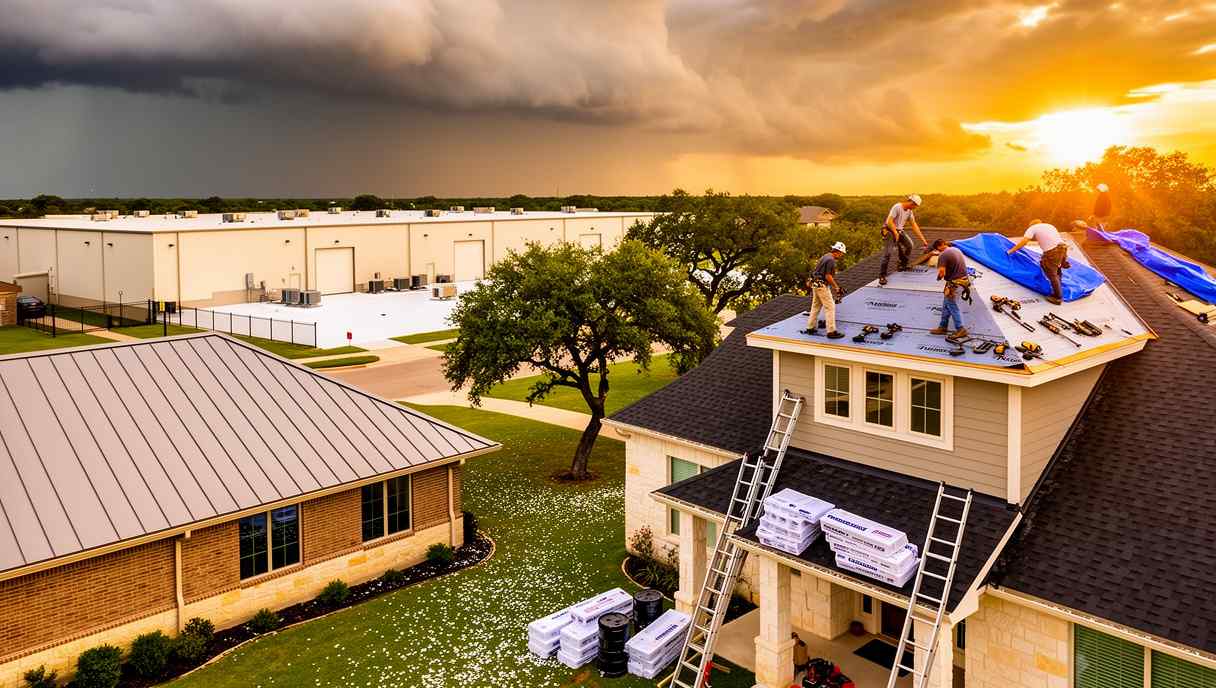
Craftsmanship matters as much as product choice. The best teams understand flashing details at chimneys, skylights, and wall intersections; they install underlayments designed for high temperatures; and they pay close attention to valley protection and penetrations. Cleanup is part of the craft, too—using magnets for nails and leaving landscaping intact. When storms hit, responsive pros offer emergency roof repair and tarping to prevent interior damage, then document issues for insurance claims with detailed photos and estimates.
Reputation and warranties round out the difference. Leading firms provide strong manufacturer and workmanship warranties, plus local references in Cedar Park, Leander, Round Rock, and Georgetown. Homeowners and facility managers comparing options from Roofing companies cedar park quickly recognize the value of local experience, fast communication, and well-established aftercare when future storms roll through.
Repair vs. Replacement: Materials, Lifespan, and Timing in Williamson County
Deciding between roof replacement and targeted roof repair depends on system age, extent of damage, and long-term goals for energy performance and insurance savings. Asphalt shingle roofs typically last 15–25 years depending on product quality and sun exposure. Signs of aging include granule loss, brittle or curling shingles, cracked tabs, and frequent nail pops. After severe weather, watch for bruised shingles (dark spots that feel soft), lifted edges from wind, and compromised flashing around vents or chimneys.
Metal systems often reach 40–70 years with proper installation. Common issues include fastener back-out on exposed-fastener panels and seam or flashing movement from thermal expansion. Quality underlayments rated for high heat are vital beneath metal, especially in Central Texas. For commercial and industrial properties, TPO, PVC, and modified bitumen usually provide 20–30 years of service. Indicators of distress include ponding water, membrane punctures, seam failures, and “alligatoring” on older bitumen surfaces. In many cases, a re-cover or restoration coating can extend life cost-effectively if moisture hasn’t intruded beneath the membrane.
Energy performance and insurance considerations can tip the scales. Choosing impact-rated shingles may reduce premiums; reflective membranes or light-colored metal roofs help keep interiors cooler. Ventilation upgrades, better insulation, or radiant barrier strategies in the attic (where appropriate) can further stabilize indoor temperatures. If multiple leaks, recurring granular loss, or widespread hail bruising show up during inspection, a full replacement prevents repeat repair calls and protects the structure beneath.
Real-world timing often follows Central Texas weather cycles. Spring brings hail and high winds, and late-summer heat stresses older materials. Proactive inspections before storm season catch vulnerabilities early. After hail, the right contractor will provide prompt tarping, a thorough damage report, and professional support during the claims process. That includes meeting the adjuster, documenting code-required upgrades, and ensuring the scope matches actual field conditions. Whether you manage a storefront in Round Rock or a home near Brushy Creek, aligning materials, budget, and timing with weather realities leads to fewer surprises and longer roof life.
Local Case Studies and Preventive Maintenance That Save Money
Consider a Cedar Park home near Brushy Creek with a 15-year-old roof showing granular loss and sun-baked shingles. After a spring hailstorm, an inspection found bruising across multiple slopes. Instead of patching, the owners opted for impact-rated shingles and a continuous ridge vent to improve airflow. With new flashing details at skylights and chimneys, the system now manages heat more effectively and resists hail better. The homeowners reported more stable indoor temperatures and fewer worries during storm season, along with the potential for improved insurance terms tied to impact resistance.
A retail plaza in Round Rock faced recurring leaks from ponding water on an aging modified bitumen roof. The solution combined tapered insulation to promote drainage and a high-reflectance TPO membrane for durability and energy savings. Crews reinforced perimeter edges and reworked penetrations to reduce wind uplift risks. By addressing the root causes—not just the symptoms—the property manager slashed leak service calls and gained predictable maintenance planning. Over time, lower cooling demands during peak summer heat also helped the operating budget.
On a hill country–style residence outside Leander, the owners chose a standing seam metal roofing system to pair modern aesthetics with long-term performance. High-temp underlayment, precisely formed panels, and carefully detailed flashings delivered wind resilience and clean lines. Because metal reflects more sunlight than dark shingles, the home saw improved comfort on hot afternoons, reducing strain on HVAC systems. With periodic checks for fastener movement and sealant wear at transitions, this roof is set for decades of service.
Preventive care protects every roof, regardless of material. Schedule professional roof inspections twice a year—typically in spring and fall—and after significant hail or high winds. Keep gutters and downspouts clear so water exits quickly during intense rain. Trim branches away from roof edges to limit abrasion and leaf buildup. Watch skylights, wall transitions, and chimneys for sealant fatigue or loose flashing. On flat roofs, remove debris, clear drains and scuppers, and consider regular infrared moisture scans to catch hidden issues. For metal, monitor fasteners and seams; for shingle roofs, check valleys and penetrations where leaks often begin. Many local pros offer maintenance plans that bundle inspections, minor repairs, and documentation, which is especially valuable for commercial portfolios across Cedar Park, Georgetown, and the Austin metro. Thoughtful, steady care prevents small concerns from growing into costly emergencies—and keeps your roof ready for whatever Texas sends next.

Thessaloniki neuroscientist now coding VR curricula in Vancouver. Eleni blogs on synaptic plasticity, Canadian mountain etiquette, and productivity with Greek stoic philosophy. She grows hydroponic olives under LED grow lights.