
City living is tough on furniture. From open-window soot to year-round humidity, New York apartments and homes expose couches, loveseats, and dining chairs to grime, allergens, and daily wear. Choosing the right upholstery cleaning approach keeps fabrics fresh, extends lifespan, and preserves the look and feel you loved on day one. Here’s how expert, local-first upholstery cleaning NYC can revive your living room—without harsh residues or avoidable downtime.
Why Professional Upholstery Cleaning Matters in New York City Homes
NYC upholstery has its own set of challenges: street dust, cooking oils in compact kitchens, pet hair in small spaces, and seasonal moisture that lingers in high-rise buildings. Over time, tiny particles of soil and grit act like sandpaper inside fibers, causing premature wear. Professional upholstery cleaning removes embedded soil you can’t reach with a vacuum and tackles stains without risking dye bleed, browning, or shrinkage.
DIY cleaning often relies on heavy detergents or too much water, both of which can push soil deeper and invite issues like watermarks or mold odor. Pros start with fiber ID and colorfast testing so the method matches the fabric—whether it’s sturdy microfiber, delicate linen, cotton blends, wool, velvet, silk, or leather. Cleaning codes matter here: W (water-safe) fabrics respond well to controlled hot water extraction; S (solvent-only) fabrics call for low-moisture or dry solvent cleaning; WS can go either way with expert judgment; X means vacuum-only and careful spot care. These distinctions are crucial in co-ops and rentals where one wrong move can void a warranty or damage a designer piece.
Beyond appearance, regular upholstery cleaning supports a healthier home. HEPA vacuuming plus targeted cleaning reduces dust mites, dander, and pollen tracked in from parks and sidewalks. Families with pets or allergies typically benefit from professional service every 6–12 months; for low-traffic households, 12–18 months is a smart cadence. In a city where living rooms double as home offices and playrooms, that schedule keeps fabrics looking sharp and smelling clean without introducing harsh fragrances. When finished correctly, pro cleaning leaves a soft, residue-free hand feel and often speeds up future maintenance because soils don’t cling as easily to a freshly rinsed, pH-balanced fabric.
Finally, professionals consider NYC-specific logistics: narrow hallways and walk-ups, elevator reservations, floor protection in prewar hardwood spaces, and quick-dry strategies that fit a New Yorker’s pace. The right team won’t rush; instead, they’ll take the time to clean corners, creases, and cushions properly while planning around building rules and your day-to-day flow.
The Proven Process: How NYC Pros Clean Sofas, Sectionals, and Chairs
Great results start before the first drop of solution hits the fabric. A thorough pre-inspection identifies fiber type, construction, cushion fill, existing damage, and prior cleaning residues. Next comes dye and pH testing, plus a plan for stains like wine, coffee, cosmetics, pen ink, or pet accidents. Floor and wall protection—drop cloths, corner guards, and furniture sliders—keeps your space tidy, a must in tight apartments where every square foot counts.
Dry soil removal follows using HEPA filtration vacuums and crevice tools to pull out dust, grit, and allergens from seams and tufting. This step is essential: the more dry soil removed up front, the gentler the wet or solvent phase can be. For W or WS fabrics, technicians apply an eco-friendly pre-spray suited to the soil type—tannin for tea/wine, protein for food/pet issues, or solvent boosters for body and hair oils on headrests and armrests. Gentle agitation with a horsehair or soft-bristle brush lifts contamination, making extraction more effective.
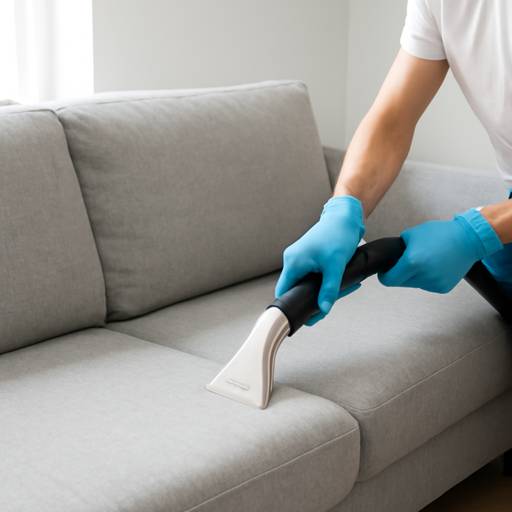
On water-safe fabrics, controlled hot water extraction (often called “steam cleaning,” though it’s actually warm-to-hot water under measured pressure) rinses out soils and detergents. Skilled techs regulate water pressure and heat to protect weaves and dyes while ensuring a deep clean. For S-coded fabrics, low-moisture or dry solvent cleaning preserves texture and color, minimizing any risk of rings or distortion. Leather requires a different track: vacuuming, pH-appropriate cleaning, and conditioning to restore suppleness without greasiness.
Troublesome issues like pet urine receive targeted enzyme or oxidizing treatments that neutralize odor at the source rather than masking it. After cleaning, pH-balancing rinses remove residues that might attract new soil. Toweling, grooming, and air movers speed evaporation and even out pile for a uniform finish. Typical dry times range from 2–6 hours depending on fabric and ventilation; pros can advise on airflow, cushion positioning, and safe use during that window.
To extend results, many NYC households opt for a protector application on water-safe fibers. A quality protector helps repel spills and slow re-soiling—useful in busy living rooms and pet households. The final walkthrough confirms stain outcomes, touch-ups, and fabric feel. When performed with patience and precision, this step-by-step process delivers a soft, clean, residue-free result that looks as good as it feels.
Real-World NYC Scenarios, Fabric-Specific Care, and Smart Maintenance Tips
Every neighborhood brings different cleaning challenges. In a Queens duplex, a family’s microfiber sectional collected juice spills and pet odors during a long winter indoors. After a fiber-safe enzyme pre-treatment and careful hot water extraction, the couch looked brighter and smelled neutral—no perfumey cover-ups, just clean fabric and faster dry times thanks to air movers and balanced chemistry. In a Manhattan high-rise, a solarium-facing velvet sofa faded slightly on one arm and showed pressure marks. With solvent-safe low-moisture cleaning, gentle grooming, and careful pile-setting, the fabric regained luster without water rings—a common risk for velvet when DIY methods go wrong.
Brooklyn brownstones often struggle with cooking film that settles on dining chairs and bench seating. A targeted degreaser, soft agitation, and precision rinsing can remove that invisible layer that makes fabrics look dull or feel tacky. For linen-blend slipcovers, pros typically pre-test to prevent shrinkage and may recommend off-site cleaning if construction or zippers suggest risk; where in-place care is suitable, light, repeated passes and cool air flow manage moisture while lifting soils evenly. Leather club chairs, popular in home offices, respond well to periodic cleaning and conditioning that keeps aniline or pigmented finishes supple and reduces the appearance of scuffs.
Home care between professional visits makes a big difference. Vacuum weekly with an upholstery tool to pull out grit before it abrades fibers. Rotate and flip cushions to spread wear. Blot spills immediately—never rub—with a clean white towel; for water-safe fabrics, a small amount of cool water can help lift a fresh spill, but avoid soaking, and always test any cleaner in an inconspicuous area. Mind cleaning codes: W, S, WS, X are more than letters—they’re your roadmap to safe maintenance. Keep sofas out of direct sunlight where possible to reduce fading, and allow a little breathing room from radiators or heaters to prevent drying and cracking on fabrics and leather.
NYC logistics matter, too. Co-ops and condos may require a certificate of insurance (COI) and elevator reservations; seasoned local teams plan around those needs, bring floor protection for prewar wood, and manage parking or walk-up concerns without drama. If you’re comparing options for upholstery cleaning NYC, look for eco-conscious products safe for children and pets, clear explanations of methods for your exact fabric, and a service approach that values thoroughness over speed. When techs take the time to pre-test, tailor solutions, and dry fabrics quickly, you get cleaner upholstery that stays fresh longer—and a home that feels healthier, brighter, and truly New York ready.
